

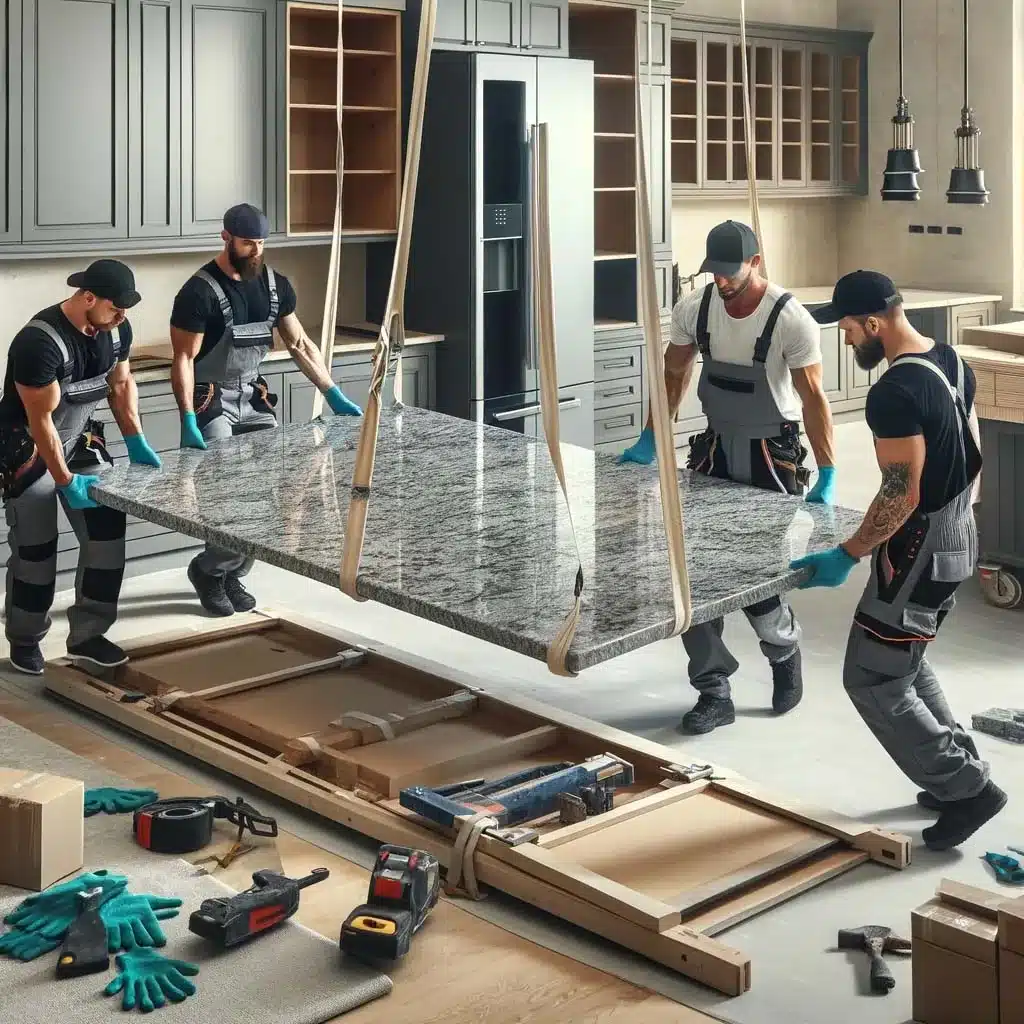
How To Move a Granite, Quartz, Marble or Concrete Countertop
If you’ve invested in a granite, quartz, marble, concrete, or custom wood countertop, you’re likely moving something worth hundreds, or even thousands, of dollars. While countertops are built to last, they can crack, chip, or break surprisingly easily when handled incorrectly.
Whether you’re transporting a salvaged countertop, moving one between homes, or coordinating a renovation project, using the right equipment and techniques is critical. Stone countertops are extremely heavy, and pre-cut sink openings can create weak points that are particularly vulnerable during transport.
In this guide, we’ll explain how to safely move a granite, quartz, marble, concrete, or other heavy countertop while minimizing the risk of damage.
Ensure You Have the Proper Equipment Before Moving a Stone Countertop
The success of moving a heavy countertop depends largely on using the correct equipment. Granite, marble, quartz, and concrete are strong materials, but they can crack if handled improperly.
We recommend having the following:
A-Frame Transport Rack
An A-frame rack supports the countertop while it remains upright during transport.
This is important because:
- Stone countertops should never be transported flat whenever possible.
- Vertical transport reduces stress across the slab.
- Heavy slabs are easier and safer to secure in an upright position.
Ratchet Straps
Professional-grade ratchet straps help secure the countertop to the A-frame and prevent movement during transport.
Even minor shifting inside a truck can result in chips, cracks, or broken corners.
Moving Blankets and Protective Padding
Use moving blankets, foam padding, or heavy protective wrap to cushion the countertop from vibration and impact.
If multiple pieces are being moved, place padding between every surface.
Carrying Clamps or Suction Lifters
Specialized stone-carrying clamps or suction lifters provide secure gripping points and reduce the risk of dropping the slab.
Gloves With Grip
Stone surfaces can be slippery. Quality work gloves improve grip and help prevent hand injuries.
Additional Helpers
Most granite and concrete countertops require multiple people to move safely. Never attempt to move a large stone countertop by yourself.
For particularly large pieces, professional movers or countertop installers may use specialty lifting equipment.
Best Practices for Moving a Granite or Quartz Countertop
When moving a stone countertop, keep these guidelines in mind:
Always Transport the Countertop Vertically
Stone countertops should remain upright whenever possible during transport. Transporting them flat can place stress on the slab and increase the risk of cracking. Industry guidance generally recommends using an A-frame or similar support system for stone slabs.
Never Drag the Countertop
Dragging can damage both the countertop and flooring surfaces.
Always lift and carry the slab using appropriate equipment and enough people to safely support the weight.
Use Extra Caution Around Uneven Surfaces
When using a dolly or cart, slow down over transitions, gravel, thresholds, and uneven pavement.
Even small impacts can damage stone.
Create Safe Resting Areas
If the distance between the truck and installation area is significant, establish safe resting points using sturdy workbenches, sawhorses, or padded supports.
This reduces fatigue and helps prevent accidental drops.
Protect Vulnerable Areas
Sink cutouts, cooktop openings, and narrow countertop sections are often the most fragile areas of a slab.
Take extra care to support these sections during lifting and transport.
Is It Worth Moving a Granite Countertop Yourself?
Moving a granite, quartz, marble, or concrete countertop can be done successfully with the proper equipment, enough helping hands, and careful planning.
However, these materials are expensive, extremely heavy, and vulnerable to cracking if handled incorrectly. Before tackling the project yourself, compare the cost of professional assistance against the potential replacement cost of a damaged countertop.
Professional movers and countertop installers often have specialized equipment and insurance coverage that can provide additional peace of mind.
If you need help moving a heavy countertop in Vancouver, Victoria, Calgary, Toronto, or the surrounding areas, Ferguson Moving & Storage can help coordinate the safe transport of oversized and specialty household items.
Frequently Asked Questions About Moving Granite and Stone Countertops
Can a granite countertop be moved without breaking?
Yes. Granite countertops can be moved safely when transported upright, properly padded, and secured using an A-frame rack or other professional support system. Multiple people and specialized lifting equipment are often required.
Should a granite countertop be transported flat or upright?
Granite, quartz, marble, and concrete countertops are generally safest when transported upright and properly supported. This helps reduce stress across the slab and lowers the risk of cracking.
How much does a granite countertop weigh?
Weight varies by material and thickness. A standard 3 cm granite countertop can weigh approximately 18–20 pounds per square foot, making even a small section extremely heavy.
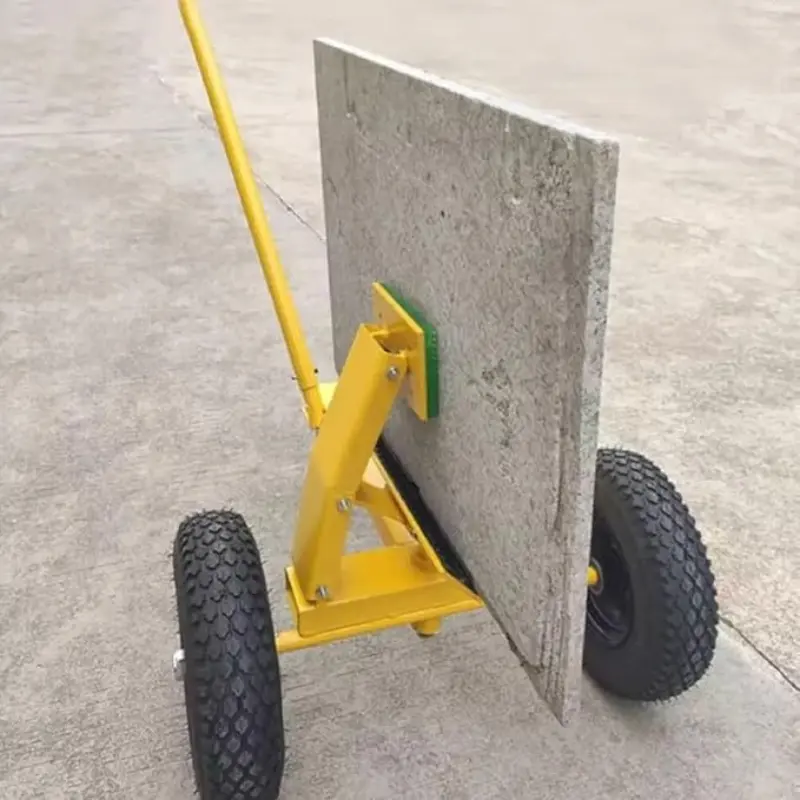
Can I move a countertop with a dolly?
A dolly can help move a countertop across short distances, but the slab should remain supported vertically and secured to prevent shifting or impact damage.
What is the most fragile part of a stone countertop?
Areas around sink cutouts, cooktop openings, corners, and narrow sections are typically the most vulnerable to cracking during transport.
Is professional moving recommended for granite countertops?
For large or expensive countertops, professional movers or installers are often the safest option because they have specialized equipment, proper lifting techniques, and insurance coverage.
Not Sure If Your Countertop Can Be Moved?
Every countertop is different. Material, thickness, dimensions, cutouts, and installation conditions all affect how safely it can be transported. Before attempting to move a heavy stone countertop yourself, make sure you have the proper equipment, enough helpers, and a secure transportation plan.
If you’d like professional guidance, the Ferguson Moving & Storage team is happy to help.