

Moving to Vancouver Island comes down to three decisions: which community fits your daily life, how your belongings will cross the water, and who will be accountable for them on the way. Get those three right and the rest is paperwork and boxes. We have been moving Canadians since 1916, and our Vancouver Island team puts a guaranteed price in writing after a survey and before we start, so the ferry, the weather and the distance do not turn into surprises on your bill.
This guide is for households and businesses moving to the Island from the Lower Mainland, Alberta, Ontario or elsewhere in Canada. It covers choosing where to live, what the crossing means for your date, how winter changes a move, and what to do in what order.
Key Takeaways
- The Island has no bridge to the mainland, so every truck crosses by ferry. Your move date depends on a sailing, not only on a calendar.
- Choose the community before the house. Distance to a hospital, groceries and an airport matters more than the view.
- A guaranteed price comes in two shapes: flat rate (the total is fixed) or hourly (the rate and terms are fixed, the total depends on the hours). Ask which one you are being offered.
- Long distance moves to the Island have two options, and the right one depends on how much your delivery date matters.
- Live GPS tracking is included on every Ferguson move, and there is no piano surcharge.
Table of Contents
- Choose the community before you choose the home
- How the ferry shapes your move
- Winter on the Island: mild, but wet and windy
- Moving from the Lower Mainland, Alberta or Ontario
- What a guaranteed price means for an Island move
- Your move, step by step
- Protecting your belongings
- Moving older relatives to the Island
- Moving a business or home office to the Island
- After you arrive: the first month
- Why a crew you can account for matters on an Island move
- Ready to book your Island move
- Our view: plan the community, then the truck
- FAQ
- Sources
Choose the community before you choose the home
The Island is bigger than it looks on a map. It runs roughly 500 km from Victoria in the south to Port Hardy in the north, which is a long day of driving. Two communities on the same island can feel like different provinces. In one, the grocery store, pharmacy and bank are a short walk away. In another, they are a half-hour drive.
Before you look at houses, answer four questions:
- How often will you leave the Island, and by ferry or by air?
- Does anyone in your household commute to work every day?
- How close do you need to be to a hospital or a family doctor?
- Do you want a walkable town centre, or land and space?
The answers narrow the map quickly. If you fly often, you will want to stay within easy reach of an airport. If you are retired or planning for the years ahead, look at how far the nearest emergency department is and whether the town has smaller homes or condos for when you want to downsize.
Southern Island, mid-Island or north

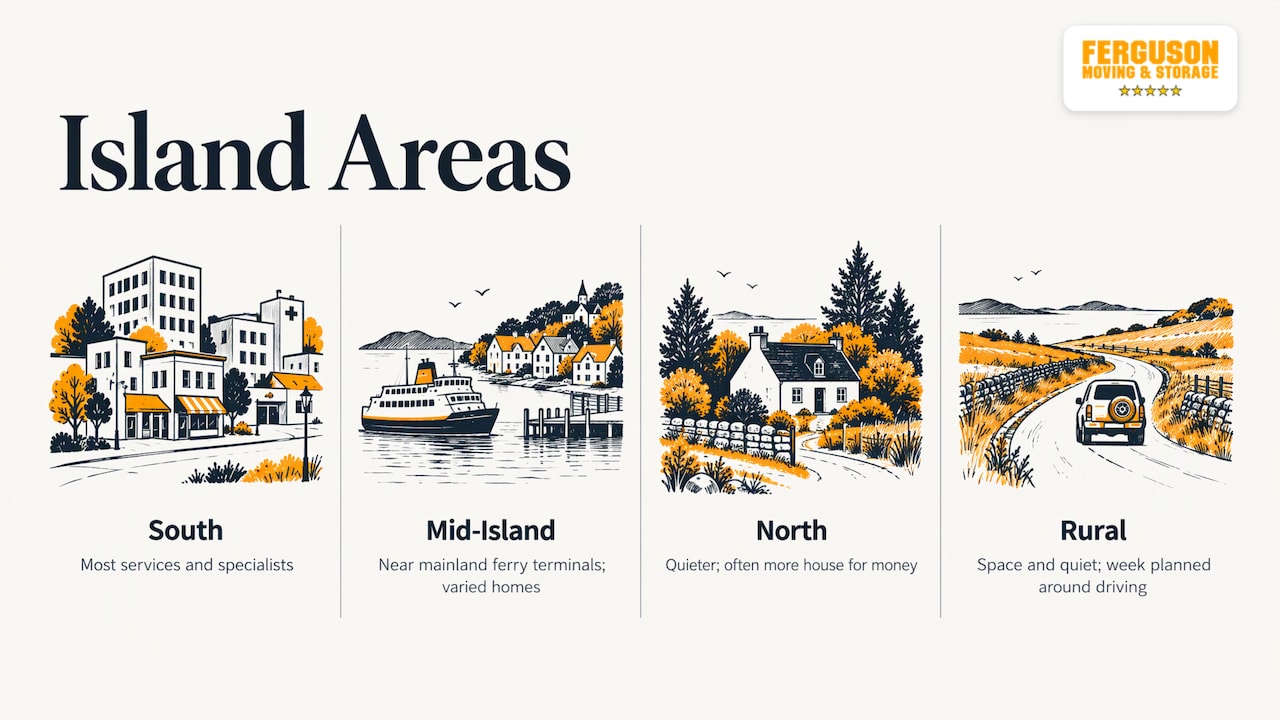
The south, around Victoria and the Saanich Peninsula, has the most services and the most specialists. The mid-Island, including Nanaimo, Parksville and Qualicum, sits close to ferry terminals on the mainland side and offers a range of home types. The Comox Valley and Campbell River in the north are quieter and often give you more house for the money. Smaller coastal and rural communities offer space and quiet, but you will plan your week around driving.
We do not set housing prices, and they change with the market. Check current figures with a local realtor or the BC Assessment office before you decide.
Visit in winter if you can
Summer looks good almost everywhere on the Island. A short trip in February tells you more. You see how the town feels when the tourists leave, how the roads handle rain and how early the shops close.
How the ferry shapes your move
A moving truck cannot cross a bridge, so it crosses by ferry. The main routes from the Lower Mainland are Tsawwassen to Swartz Bay near Victoria, Tsawwassen to Duke Point near Nanaimo, and Horseshoe Bay to Departure Bay in Nanaimo. BC Ferries lists the Tsawwassen to Swartz Bay sailing at about 1 hour 34 minutes and the Tsawwassen to Duke Point sailing at 2 hours. Check the live schedule for your travel day, because sailings change by season and by weather.
The crossing itself is short. The planning around it is not. Here is what to think about:
- Sailing space. A large truck takes more room than a car. In busy periods, such as summer weekends and holidays, space can run out. Book early, and pick a mid-week date if your timeline allows.
- Vehicle type. Commercial vehicles and standard vehicles are booked differently. A mistake here can cost you your sailing, so confirm which category your truck falls into.
- Travel time on both sides. A move that starts in the Lower Mainland and ends in the north Island is a full day once you add loading, the drive to the terminal, the crossing and the drive after it.
- Weather. Fog and wind can delay or cancel sailings. Leave room in your schedule.
With Ferguson, you see the truck on a map the whole way. Live GPS tracking is included on every move, so you can watch it reach the terminal, cross and arrive, rather than wait by the phone.
Winter on the Island: mild, but wet and windy
Most people are drawn by the mild winters, and the south coast does have far less snow than much of the country. The bigger winter issue is wind and rain. Storms can knock out power on rural lines, and some communities lose road access for short periods. West coast communities get more rain than the east coast. Higher elevations get snow that sea-level towns rarely see.
For your move, that means three things:
- Plan your arrival for daylight and allow a buffer day around any storm warning.
- If your new home is rural, ask the seller or landlord about the water supply, septic system and heating. Think about a backup heat source before your first storm.
- Keep essentials (medication, chargers, a flashlight, bedding) in your car, not on the truck.
If you are heading to a remote area in the colder months, read our guide on preparing for a winter move to Vancouver Island’s remote areas.
Moving from the Lower Mainland, Alberta or Ontario
Where you start changes the shape of the move.
From the Lower Mainland
This is the shortest move, but it is still a ferry move. Many households treat it as local because it stays within BC. Your driver’s licence, vehicle insurance and provincial health coverage generally stay with you inside BC, though you should update your address with each office. If you do not bring a family doctor, register for a new one as early as you can, since waits exist.
From Alberta or Ontario
This is a long distance move with a ferry at the end. You have two options, and we present both so you can choose.
| Ferguson-hauled | Great Canadian Van Lines | |
|---|---|---|
| How it is priced | Guaranteed flat rate | Scaled weight and distance |
| Who moves you | Our own dedicated crew and truck | We act as a van line agent |
| Shipment | Dedicated to your move | Shared with other loads |
| Delivery | Exact scheduled delivery date | Delivery window of 3 to 7 days |
| Cost | A fixed total | Typically about 20 percent less |
The Ferguson-hauled option suits you if your closing date, your children’s school start or your job start leaves no room to wait. The Great Canadian Van Lines option suits you if you can be flexible on delivery and want to lower the cost. Neither option is priced until we survey your move. Our long distance moving page explains both in more detail, and our long distance moving checklist walks you through the weeks before the truck arrives.
If you pick the window option, plan for a few nights of temporary housing or a bag of essentials that travels with you. A delivery window of 3 to 7 days means your furniture may arrive after you do.
What a guaranteed price means for an Island move
Island moves carry extra variables: ferry timing, long drives on the far side and sometimes narrow or steep access. That is why a price that moves after you sign is the biggest worry we hear about.
We survey your move first. We never give a price before a survey. Then the guaranteed price goes in writing before we start. It comes in two shapes, and we never blur them:
- Flat rate. The total is fixed.
- Hourly. The rate and terms are fixed. The total depends on the hours the job takes.
If we offer hourly, read the terms and the rate, and ask how the hours are counted. We will not describe an hourly move as having a fixed total, because it does not.
Your move, step by step
This timeline works for most Island moves. Adjust it if you move in summer, when ferry space is tight.
- Eight to ten weeks out: choose your community and book a survey. Settle on where you are going, then book a free survey, in person or by video. A survey is how we build a guaranteed price, and it lets us flag access problems early.
- Six to eight weeks out: choose your date and your option. For long distance, decide between Ferguson-hauled and Great Canadian Van Lines. For any move that crosses by ferry, pick a date with a spare day on either side.
- Six weeks out: sort what you are bringing. Heavy, low-value furniture can cost more to move than to replace. Sell or donate it, and move what matters to you.
- Four weeks out: arrange packing and supplies. You can pack yourself with our moving supplies, or have our crew pack for you through our packing services. Our packing tips help if you do it yourself.
- Three weeks out: confirm building rules. If you live in or are moving into a condo or apartment, ask the building about its service elevator. We do not book service elevators. We tell you the window to reserve, and you reserve it with your building.
- Two weeks out: update your address. Tell your bank, your employer, the tax agency and your insurer. Contact the licensing and health coverage offices that apply to you.
- One week out: plan for the gap. If your home is not ready on the day, consider storage services between the old home and the new one.
- Moving day: watch your truck. Live GPS tracking lets you follow it on a map. Our crews are our own employees, in our own trucks, so you know who is in your home.
Protecting your belongings
A ferry crossing and a long drive make people ask what happens if something is damaged. Our valuation protection is up to $6 per pound, and it is standard. The industry standard is 60 cents per pound. This is valuation protection, not insurance, and it is not a flat $6 per pound, so ask us how it applies to your move and your most valuable items.
There is also no piano surcharge. If you have a piano, tell us at the survey so we can plan the stairs, the ferry and the access.
Moving older relatives to the Island
Many older customers choose the Island for its pace, its milder winters and its access to care. The move is easier when it is planned around the person, not just the boxes.
- Start with the community. Check how far the nearest hospital and pharmacy are, and whether homes have an accessible entrance.
- Plan the downsizing early. Some Island towns have condos, townhomes and seniors housing. Others are mostly detached houses and acreage.
- Keep the pace gentle. Our crew can pack room by room, and we can hold items in storage while a new home is made ready.
- Involve family by sharing the live GPS link, so adult children can follow the truck from anywhere.
We also handle estate moves and seniors moves. See our residential moving page for the full list.
Moving a business or home office to the Island
A professional practice or home office has a different clock. Clients, phone lines and staff schedules all depend on the move date. Plan the move for a day your business can pause, and ask for the delivery to be exact. Our Ferguson-hauled long distance option has an exact scheduled delivery date, which suits a business with a hard opening day. Our commercial moving page covers office moves and commercial storage.
After you arrive: the first month
Once the boxes are in, a short list keeps you on track:
- Health coverage. If you come from another province, register for BC’s provincial plan as soon as you arrive, and ask Health Insurance BC how its waiting period applies to you. Keep your previous coverage active until the new plan starts.
- Driver’s licence and vehicle. Contact ICBC about exchanging your licence and registering and insuring your vehicle, and ask what deadline applies to you.
- Schools. Register your children with the local school district early.
- Doctor. Join the provincial registry for a family doctor right away.
- Utilities. Set up power, internet and water. In rural areas, ask who services the well or septic system.
Why a crew you can account for matters on an Island move
A move that includes a ferry has more hand-offs than a move across town. Every hand-off is a place where an unknown crew or a changed price can cause trouble. When the crew are employees, in trucks we own, one company is accountable from the survey to the last box. We are not a broker, and we do not pass your move to someone you have never met.
Ready to book your Island move
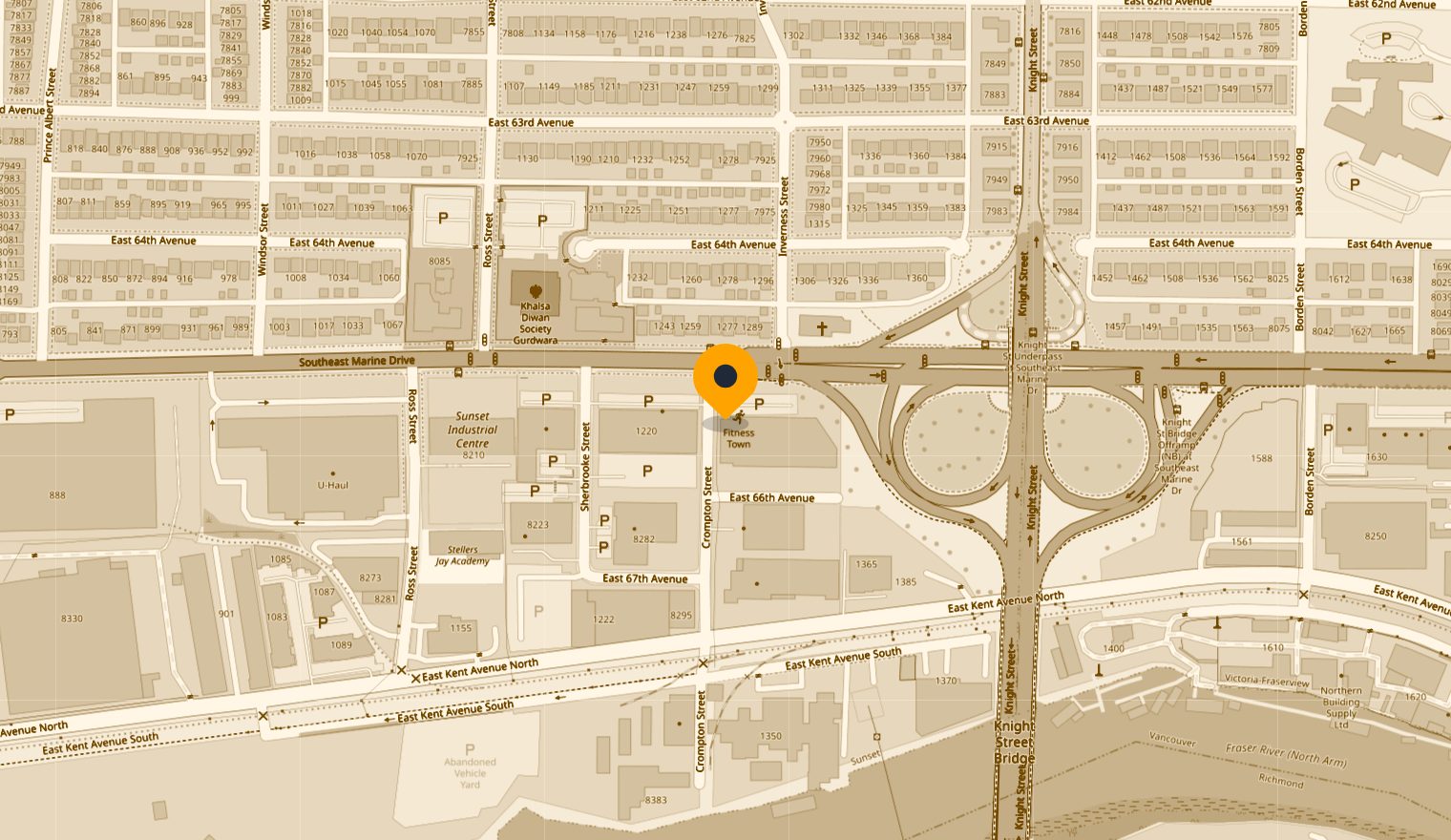
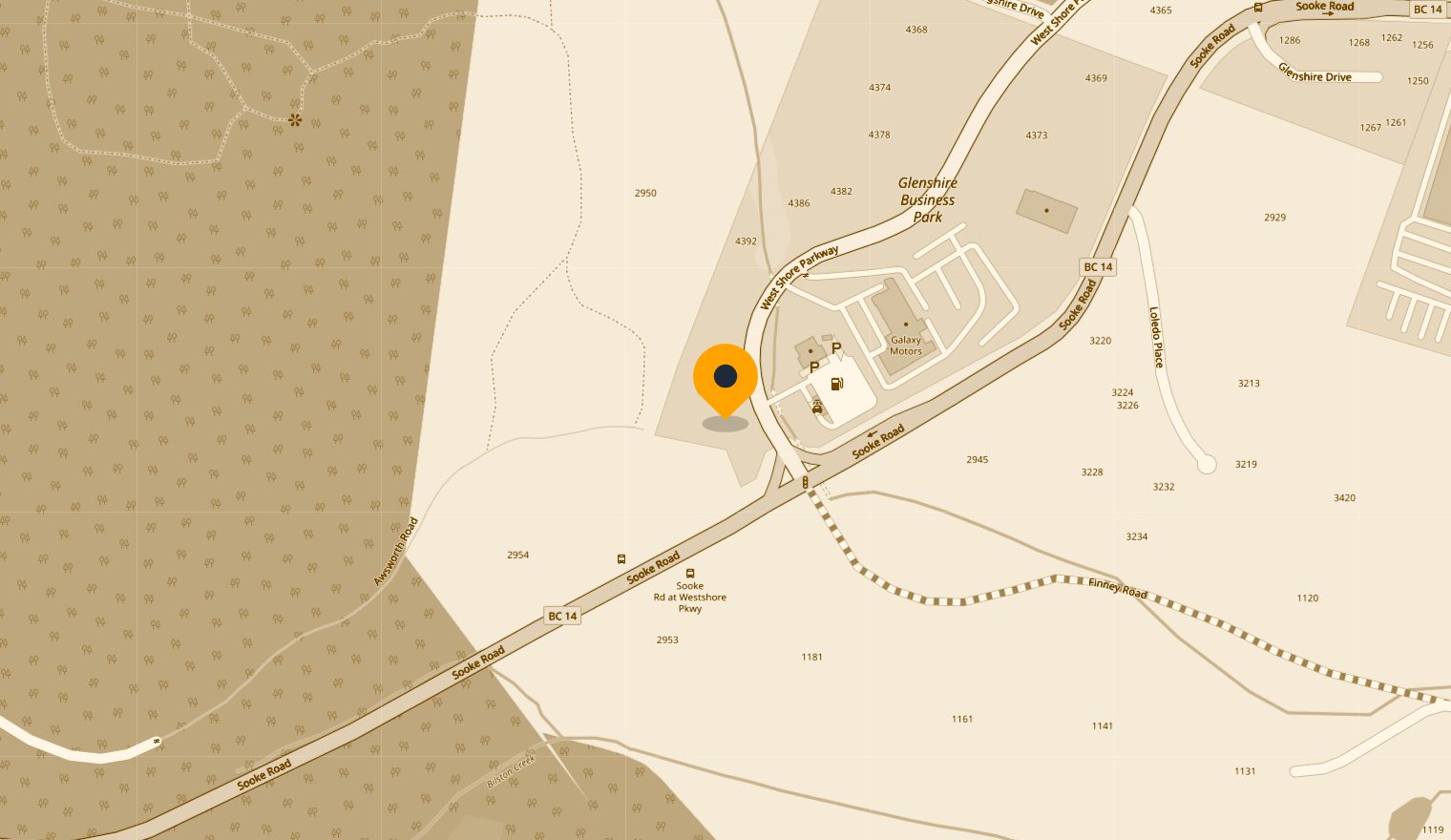
If you are planning a move to Vancouver Island, we survey the job, put your guaranteed price in writing before we start and let you watch your truck on a map. Live GPS tracking is included on every move. Our Vancouver Island team serves local and long distance moves, and our Victoria location is ready to survey your home. For a move from Alberta or Ontario, we quote two long distance options so you can choose between a fixed date and a lower cost.

Get a guaranteed price
Our view: plan the community, then the truck
Most people start a move to the Island by looking at houses. We suggest starting with a map and a calendar.
Ask where your nearest doctor is. Ask how you will get to the airport. Ask which sailing your truck will take. Those answers decide how your first year feels, and they are cheaper to get right before you move than after.
The thing people tell us they fear most is a price that changes and a crew they cannot account for. That is why we survey every job and put the price in writing before we start. It is why our crews are our employees, and why you can watch your truck cross on a map. We are not the cheapest name on the page, and we do not try to be. We aim to be the company you can reach when you need an answer.
If you take only one thing from this guide, make it this: choose the flat rate when your date matters, and read the terms closely when the price is hourly.
Lorne MacInnes
FAQ
Do I need to take a ferry to move to Vancouver Island?
Yes, if you are bringing a vehicle or a moving truck from the mainland. There is no bridge, so trucks cross on BC Ferries. Foot passengers can also fly, and the ferry schedule on the BC Ferries site shows current sailings.
When is the best time of year to move to the Island?
Spring and fall tend to be easier than peak summer, when ferry space is tight. Winter has fewer crowds but more storms, so leave a spare day in your schedule. Choose the date that gives you flexibility on both sides of the crossing.
Is it cheaper to move myself or hire a crew?
A self-move adds costs that are easy to miss, including a truck that needs the right ferry reservation, fuel, time off work and your own labour on a long day. A guaranteed price from a crew you can account for lets you plan the whole move in advance. Our guide on moving yourself vs hiring movers walks through the details.
Can I store my things while I look for a home on the Island?
Yes. Many households use storage between homes, especially when a closing date moves. Our storage services hold your household goods until the new place is ready.
What if my building has a service elevator?
We do not book service elevators. We tell you the window to reserve, and you book it with your building manager, so the elevator is ready when the crew arrives.
Sources
Moving Canadians since 1916.